Design and Handling
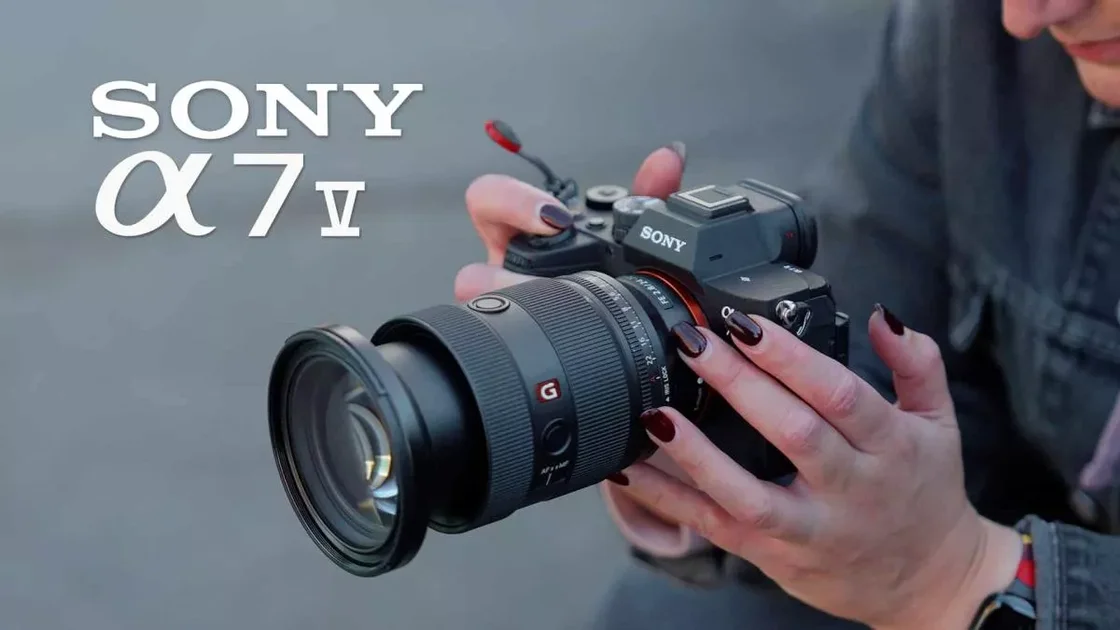
At first glance, the A7 V doesn’t stray too far from the A7 IV. The body shape, button layout, and overall style feel very similar, but there are two important improvements:
- A deeper, more comfortable grip
- A new 4-axis articulating LCD screen, similar to the one found on the A7R V
These changes make the camera feel sturdier and easier to hold, especially during long shoots. The body is still made of magnesium alloy and maintains Sony’s reliable dust and moisture resistance.
Although it’s slightly thicker and a bit heavier than the A7 IV, most users will appreciate the added stability and better screen flexibility.
Sensor, Processor, and Image Quality
Sony has introduced a new 33-megapixel partially-stacked EXMOR RS sensor paired with the latest BIONZ XR2 processor. This combination brings a noticeable leap in performance:
- 16+ stops of dynamic range
- Cleaner shadows and reduced rolling shutter
- Faster readout speeds (4.5x faster than the A7 IV)
The camera’s ISO performance is strong, with a range of 100-51,200 for photos (expandable to 50-204,800). Video has a slightly lower upper limit, but still excellent for low-light work.

Sony also adds two advanced processing features:
- Composite RAW Shooting (multi-shot noise reduction)
- AI-enhanced Extended RAW, capable of producing 132-megapixel images
These are handled through Sony’s Imaging Edge Desktop software and offer more flexibility for photographers who want maximum detail.
Autofocus and Subject Detection
Autofocus is one of Sony’s biggest selling points, and the A7 V improves on it further:
- 759 phase-detect points
- Covers 94% of the frame
- Works down to -4EV light
- AI-powered subject recognition
The camera can now recognize people, animals, birds, insects, cars, trains, and even airplanes. The AI system doesn’t rely solely on eyes or faces, it can detect bodies, heads, and poses, which helps maintain focus even when the subject turns away.
There's also a helpful Auto Subject mode for users who prefer the camera to choose the right detection mode automatically.
Viewfinder and LCD Screen
The EVF remains similar to the A7 IV:
- 3.69M-dot resolution
- 0.78x magnification
- 120fps refresh rate
The real upgrade is the 3.2-inch 4-axis flip screen which is larger, sharper, and much easier to use for vlogging, low-angle shots, high-angle shots, product work, and more. It’s one of the best screens Sony has ever put on an A-series camera.
Video Performance
Videographers get major benefits with the A7 V:
- 4K/60p oversampled from 7K (full-frame)
- 4K/120p in Super 35 crop
- 1080p up to 240fps for super slow motion
- S-Cinetone, S-Log3/2, HLG, M-LUT, and support for LUT previews
These specs make the A7 V suitable for anything from social content to professional-level work.
Sony has also addressed overheating concerns:
- 60 minutes of recording at 40°C, compared to around 10 minutes on the A7 IV.
Auto Framing, a feature from Sony’s AI toolbox, automatically crops and follows your subject that can be very useful for solo creators shooting on a tripod.
Stabilization
The A7 V features a redesigned 5-axis IBIS system offering:
- Up to 7.5 stops of stabilization at the center
- 6.5 stops at the edge
Dynamic Active Mode further stabilizes handheld video, especially in 4K/120p, making it much easier to shoot smooth footage without a gimbal.

Burst Shooting and Performance
Sports and wildlife shooters will appreciate:
- 30fps blackout-free shooting (electronic shutter)
- 10fps with mechanical shutter
- 1000+ shot buffer with compressed RAW
- Pre-capture (records up to 1 second before you press the shutter)
These features bring some of Sony’s high-end A9 technology down to a more affordable body.
Connectivity and Storage
Sony packs the A7 V with modern connectivity options:
- Dual USB-C ports (one for fast data, one for charging)
- Full-size HDMI
- Headphone + mic ports
- Dual card slots (SD + CFexpress Type A support)
- 6GHz Wi-Fi for faster transfers
- 4K/30p live streaming directly from the camera
Creators who livestream or transfer files wirelessly will feel a clear improvement.

Battery Life
Using the NP-FZ100 battery, Sony manages to squeeze out more efficiency:
- Up to 750 shots on the LCD
- Up to 630 through the EVF
The new low-brightness mode helps conserve power without putting the camera to sleep.
Verdict: A True All-Rounder With Serious Upgrades
The Sony A7 V is a meaningful upgrade over the A7 IV, not just in specs, but in real-world usability. The new screen, stronger autofocus, improved video modes, better stabilization, and faster shooting all add up to a camera that works exceptionally well for hybrid shooters.
If you are someone who shoots both photos and videos and wants a reliable full-frame camera that handles almost everything, the A7 V is one of the strongest options in its class.
Price: £2799 / €2999 / $2899 (body only)
Made in: China
Buy the Sony A7 V at Mero Gadget: https://merogadget.com/product/products/50/