What's New and What's Actually Changed?
Canon has released the EOS R6 Mark Ill, the latest iteration of its popular full-frame mirrorless camera, succeeding the well-loved EOS R6. While the original R6 set a high bar for hybrid performance, the Mark Ill brings significant upgrades aimed at photographers and videographers alike.
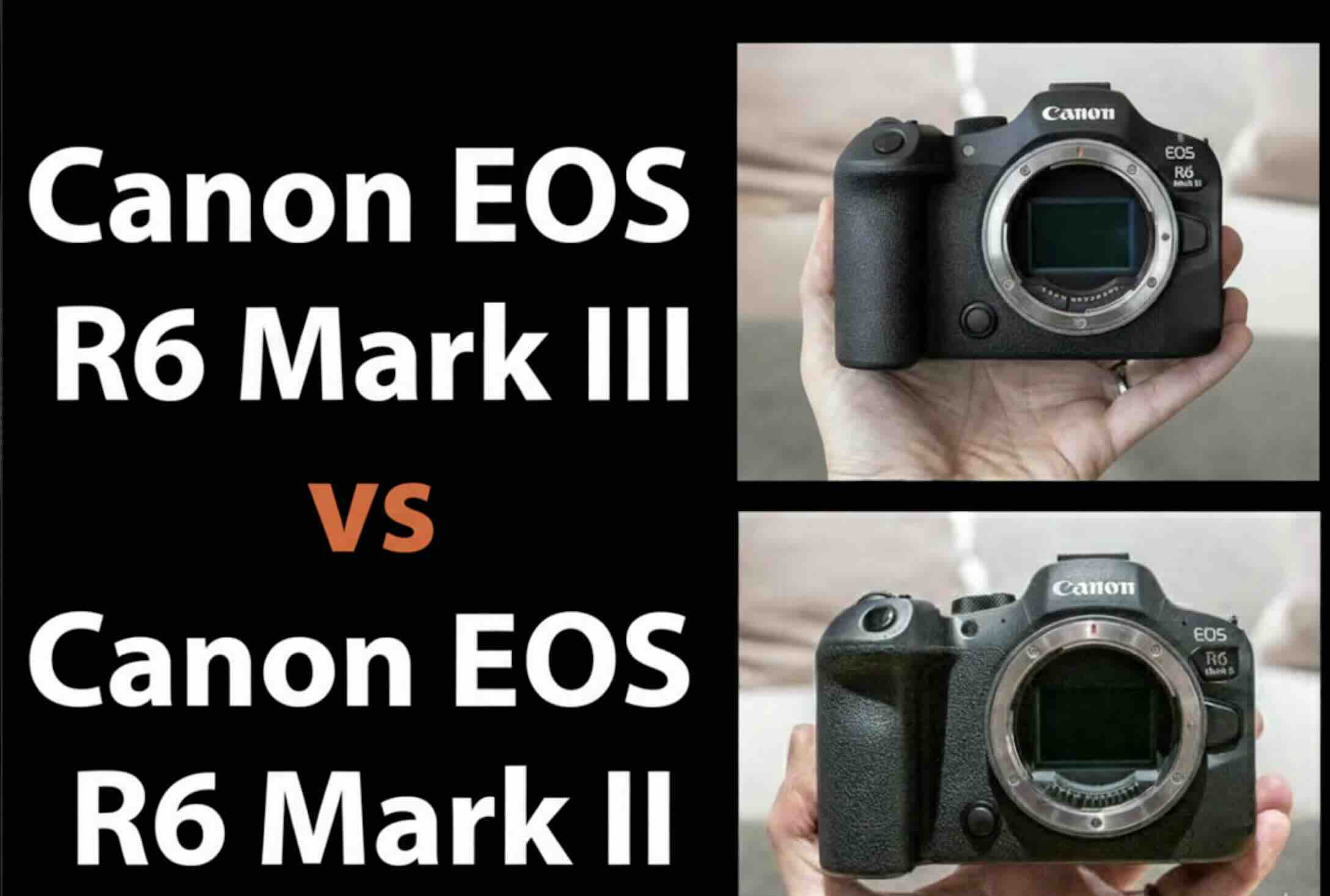
Here's a complete breakdown of the major differences and new features.
|
Feature / Spec |
EOS R6 Mark II |
EOS R6 Mark III |
|
Sensor |
24.2 MP full-frame CMOS |
32.5 MP full-frame CMOS |
|
Burst / Shooting Speed |
Up to 40 fps (electronic), 12 fps mechanical |
Still up to 40 fps electronic + pre-shoot burst feature (frames before shutter fully pressed) |
|
Video Capabilities |
4K 60p (oversampled from 6K), external 6K RAW via HDMI, Full HD up to 180p |
7K RAW internal up to 60p, 7K open gate 30p, oversampled 4K 60p, and up to 4K 120p / 2K 180p, major leap for filmmakers |
|
Autofocus / AF points |
Dual Pixel CMOS AF II |
Dual Pixel CMOS AF II |
|
Stabilization (IBIS + lens) |
Up to 8 stops IBIS |
Up to 8.5 stops IBIS + subject-tracking stabilization for moving subjects |
|
Storage / Cards |
Dual SD UHS-II slots |
1 × CFexpress Type B + 1 × SD UHS-II; built for high bitrate video and RAW workflows |
|
Body, Ergonomics & Display |
3.69M-dot EVF, 3.0″ vari-angle touchscreen, standard RF mount |
Same EVF & screen design, same RF mount, so ergonomics remain familiar |
|
Use-Case Focus |
Great hybrid for photography + casual video, still a versatile workhorse |
More pro-oriented hybrid; ideal for creators doing high-res stills + serious video / cinematic work |
Enhancements to Sensor & Image Quality
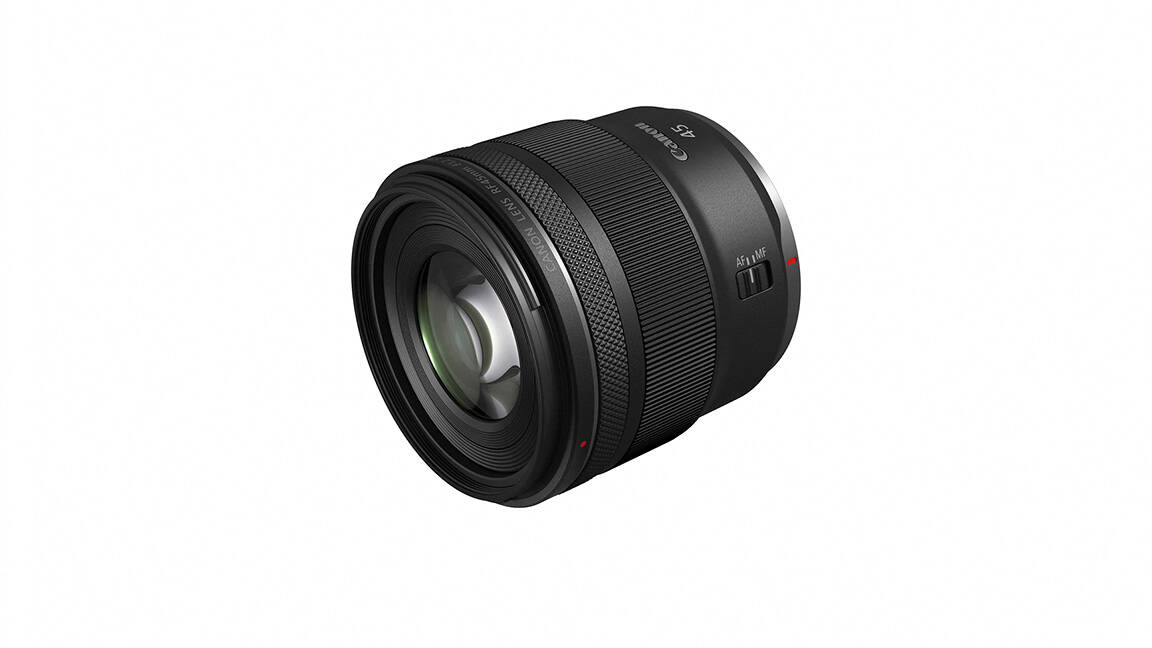
R6 Mark III levels up to 32.5MP, a big difference from the 24.2MP discussed earlier, where:
- More Cropping Power: Maintain detail even with heavy crops, making it perfect for wildlife and sports.
- Better Print Quality: Sharper, cleaner large format prints for commercial clients.
- Higher Detail and Texture: Increased micro-contrast and clarity in pictures, landscapes, and products.
- Stronger for Commercial Use: More resolution makes the Mark III more suitable for advertising, e-commerce, and professional deliverables.
Video Enhancements
The Mark III, in the hands of filmmakers, gives a big jump:
- 7K RAW internal recording
- 7K Open-Gate Mode for flexible framing and vertical content
- 4K 120p Slow Motion
- Better heat management for longer and more reliable recording times.
- Improved Codecs & Efficiency for smooth editing workflows
- This is going to be very helpful to content creators who put a high premium on high-quality video production.
Autofocus and Image Stabilisation
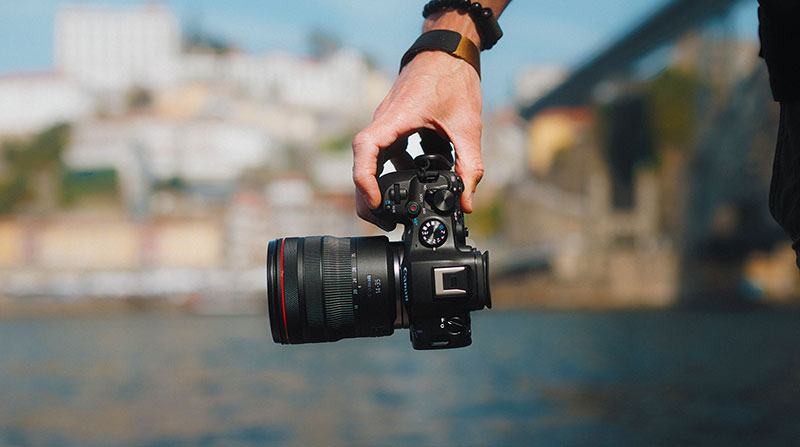
The Mark III also refines autofocus and stabilization:
- More AF Points and Wider Coverage
- Smarter Subject Tracking (people, animals, vehicles)
- Better Low-Light Focusing
- Improved 8.5 Stops of IBIS for Smoother Handheld Shots
- Ideal for more action, run-and-gun filmmaking in low light.
Storage & Workflow
The key professional upgrade in adding CFexpress Type B support:
- This helps with high bitrate 7K recording and large fast bursts.
- Faster write speeds with quick buffer clearing.
- The dual slot is going to make a huge difference in backup and reliability.
- Designed for High-Quality Video, Fast Delivery Workflows.
Battery Life
The battery life of Canon EOS R6 Mark III is much improved over its predecessor:
- R6 Mark III: Up to 610 shots
- R6 Mark II: Around 580 shots
It's not a very large jump, but the addition of a new processor in the Mark III, which has power optimization, lets it last longer and will surely come as an excellent addition when you're up for travel photography, event coverage, wildlife and sports shooting, and long video sessions.
Price Comparison
The gap, however, will be very apparent in the upgrades:
- R6 Mark III: Higher price due to the 7K video, AF improvement, and higher-resolution sensor
- R6 Mark II: More affordable, though just great for hybrid shooters on a budget
The Mark III will give more value to creators who need high-end video tools and more resolution; however, the Mark II will always remain the best choice for the money-minded, photography-focused user.
Should You Upgrade?
You should upgrade to Mark III if:
- You are into video or cinematography shooting.
- You need more resolution.
- You shoot sports, wildlife, or action.
- You want the best AF, IBIS, and video options.
Buy the Canon EOS R6 Mark III at Mero Gadget: https://merogadget.com/product/products/48/
Stick with the Mark II if:
- You mainly shoot photos.
- You don't need 7K RAW or 4K 120p.
- You want a more budget-friendly hybrid camera.
This Canon R6 Mark II vs R6 Mark III comparison helps creators decide which camera suits photography, videography, and hybrid workflows. The Canon R6 Mark III is a major improvement over its predecessor, with more resolution, enhanced video features, fast autofocus, and better build quality all that for the creators who want to get into 7K recording, advanced tracking, or a more future-proof hybrid system. The R6 Mark II is also a great camera, much lighter and reliable. If you want the highest performance
This camera performs at the top level that Canon offers in this class; hence, the choice of R6 Mark III. If you have budget constraints, then R6 Mark II is not a bad option even for a person who takes only photos.